
Discover the Powerful Ways Adderall Is Used to Transform Focus and Productivity
Adderall, a prescription medication combining amphetamine and dextroamphetamine, is primarily used to treat Attention Deficit Hyperactivity Disorder (ADHD) and narcolepsy by improving focus and impulse control. When used under medical supervision, it helps patients manage symptoms effectively, though it carries a high potential for misuse and dependence. This FDA-approved stimulant requires careful, physician-guided dosing to ensure safety and efficacy.
Medical Uses of Adderall
Adderall is primarily prescribed to treat Attention Deficit Hyperactivity Disorder (ADHD), helping individuals improve focus, control impulsive behaviors, and manage daily tasks more effectively. For those with ADHD, the medication works by balancing certain brain chemicals, which can make a huge difference in school, work, and personal relationships. It’s also used off-label for narcolepsy, a sleep disorder that causes extreme daytime drowsiness, allowing patients to stay awake and alert during the day. While Adderall can be very effective, it’s important to follow a doctor’s instructions closely, as misuse can lead to side effects like insomnia or increased anxiety. When used properly, it’s a valuable tool for many people striving to lead more organized and productive lives.
Attention Deficit Hyperactivity Disorder (ADHD) Treatment
Facing a neurological diagnosis can feel overwhelming, but Adderall for ADHD treatment offers a path to regain focus and control. This stimulant medication, a combination of amphetamine salts, is primarily prescribed for Attention Deficit Hyperactivity Disorder (ADHD) in both children and adults. By increasing the levels of dopamine and norepinephrine in the brain, Adderall helps improve concentration, reduce impulsivity, and manage hyperactivity. It is also a second-line treatment for narcolepsy, a sleep disorder causing excessive daytime sleepiness, where it promotes wakefulness. Clinical use requires strict medical supervision to ensure correct dosing and monitor for potential side effects like increased heart rate or appetite loss.
Narcolepsy Management
Adderall is a prescription medication primarily used to treat Attention Deficit Hyperactivity Disorder (ADHD) by enhancing focus and impulse control. Stimulant therapy for ADHD relies on Adderall’s active ingredients, amphetamine and dextroamphetamine, which increase dopamine and norepinephrine levels in the brain. This helps patients manage daily tasks, improve concentration, and reduce hyperactivity. It is also prescribed off-label for narcolepsy to combat excessive daytime sleepiness. *Adderall’s efficacy in stabilizing attention is well-documented and widely recognized by medical professionals.* Common medical guidelines stress that it should be used under strict supervision due to its potential for dependence.
Effects on Cognitive Function
Chronic stress and poor sleep hygiene significantly impair cognitive function by disrupting neuroplasticity and executive control. Elevated cortisol levels damage the hippocampus, directly undermining memory consolidation and recall speed. To protect your mental clarity, prioritize optimal sleep duration and stress management. Consistent aerobic exercise further enhances blood flow to the prefrontal cortex, boosting attention span and decision-making accuracy. Neglecting these factors accelerates age-related cognitive decline, whereas adopting a structured routine of rest, movement, and mindfulness supports long-term brain health and sharper cognitive performance.
Improved Focus and Concentration
Cognitive function decline manifests through measurable lapses in memory, attention, and executive planning. Short-term memory retrieval slows, making recall of names or recent events difficult. Sustained concentration diminishes, leading to increased distractibility and reduced problem-solving efficiency. Commonly observed effects include:
- Working memory impairment: Difficulty holding and manipulating information, such as following multi-step instructions.
- Slowed processing speed: Delayed reaction times and longer time to comprehend complex data.
- Executive dysfunction: Poorer organization, decision-making, and mental flexibility.
These changes can stem from chronic stress, sleep deprivation, or age-related neurodegeneration. Early identification allows for structured cognitive training and lifestyle interventions to mitigate decline. Prioritizing brain-healthy habits is essential for preserving mental acuity.
Enhanced Working Memory
Cognitive function can be influenced by various factors, including stress, sleep deprivation, and nutrition. A consistent lack of sleep impairs attention, working memory, and decision-making abilities. Chronic stress elevates cortisol levels, which may damage the hippocampus and reduce memory retrieval. Nutritional deficits, particularly in omega-3 fatty acids and B vitamins, are linked to slower processing speeds and diminished executive function. Additionally, regular physical activity supports neuroplasticity and enhances cognitive reserve. The impact of sleep deprivation on cognition is particularly pronounced, manifesting as reduced alertness and impaired logical reasoning. Protecting brain health through adequate rest, balanced diet, and stress management is essential for maintaining optimal cognitive performance across the lifespan.
Increased Alertness and Wakefulness
Cognitive function is directly shaped by lifestyle and environmental factors, with chronic stress impairing memory and decision-making. Elevated cortisol disrupts neural connections, shrinking the hippocampus while strengthening fear pathways. Conversely, regular aerobic exercise boosts neuroplasticity by increasing BDNF, enhancing focus and processing speed. Poor sleep hampers glymphatic clearance, leaving toxins to clog synaptic function. Sensory-rich activities and novel learning reverse mental stagnation, sharpening executive control. Without deliberate cognitive maintenance, neural networks degrade—but targeted habits rebuild them.
Off-Label Uses
Doctors often prescribe medications for purposes not originally approved by regulators—this is called off-label use. It’s more common than you’d think, especially in areas like oncology and pediatrics. For example, a drug designed for high blood pressure might effectively treat migraines, even though that wasn’t its intended purpose. These practices rely on clinical experience and emerging research. Because formal approval is a costly and slow process, physicians frequently turn to off-label options when standard treatments fail. This approach can be a powerful tool in modern medicine, offering hope for conditions with few established therapies. However, it’s important to understand that informed consent and careful monitoring are essential, as safety data for these uses may be limited compared to approved indications.
Academic and Professional Performance Enhancement
Off-label uses happen when doctors prescribe a drug for a condition it wasn’t officially approved to treat. This is completely legal and common, especially in cancer, pediatrics, and psychiatry. For example, a medication approved for depression might be used to manage chronic pain. Understanding off-label prescribing empowers patients to ask smart questions. While it offers hope when standard treatments fail, it also carries risks since the drug hasn’t been rigorously tested for that specific use.
Always discuss the evidence and potential side effects with your doctor before trying an off-label treatment.
Being proactive about the reasoning behind an off-label recommendation helps you make informed decisions about your health.
Treatment-Resistant Depression
Off-label drug use is a critical, evidence-based practice where physicians prescribe approved medications for conditions not listed on the official label. This strategy is not experimental; it often represents the standard of care in fields like oncology and pediatrics, where clinical experience fills gaps left by lengthy FDA approval processes. For patients with rare diseases or treatment-resistant conditions, off-label prescribing can be the only viable path to symptom relief or survival. Key examples of its life-saving applications include:
- Beta-blockers for heart failure, after trials proved their efficacy.
- Tricyclic antidepressants for chronic neuropathic pain and migraine prevention.
- Antipsychotics used off-label for severe anxiety or insomnia.
While it requires cautious risk-benefit analysis, the medical community widely endorses this evidence-based off-label prescribing as a cornerstone of modern, flexible patient care.
Binge Eating Disorder
Off-label prescribing refers to the use of an FDA-approved drug for a purpose, dosage, or patient population not listed on its official label. This practice is legal and common in fields like oncology, psychiatry, and pediatrics, where established treatments may be ineffective. Experts emphasize that while off-label use can offer critical solutions for resistant conditions, it carries heightened risks due to insufficient clinical data for that specific application. To mitigate harm, clinicians should rely on peer-reviewed evidence and documented case series before prescribing. Patients must be informed that the treatment is off-label and give explicit consent. Common scenarios include:
- Using antidepressants for chronic pain management.
- Administering beta-blockers for performance anxiety.
- Prescribing low-dose naltrexone for autoimmune disorders.

Always cross-reference potential drug interactions and monitor outcomes meticulously when deviating from approved labeling.
Mechanism of Action
The mechanism of action describes the precise biochemical interaction through which a drug molecule produces its therapeutic effect at a molecular level. This critical process typically involves binding to specific receptors, such as G-protein-coupled receptors or ion channels, triggering a cascade of intracellular signals. Understanding the MOA is fundamental to drug discovery and clinical pharmacology, as it explains why certain compounds are effective for specific diseases. For example, selective serotonin reuptake inhibitors (SSRIs) block the reuptake of serotonin in the synaptic cleft, increasing neurotransmitter availability and alleviating depressive symptoms. This detailed knowledge allows researchers to predict side effects, optimize dosing regimens, and design more targeted therapies. Ultimately, a well-characterized mechanism of action transforms empirical observations into rational, evidence-based medicine, empowering clinicians to choose treatments that directly address the underlying pathological pathways.
Dopamine Reuptake Inhibition
The mechanism of action describes the specific biochemical interaction through which a substance, such as a drug or toxin, produces its therapeutic or adverse effects. Understanding drug mechanisms is critical for optimizing dosing and safety. It typically involves binding to a target, like a receptor or enzyme, altering cellular function. For example, an agonist activates a receptor, mimicking a natural signal, while an antagonist blocks it, inhibiting the response. This interaction can modulate ion channels, inhibit pathogen metabolism, or influence gene expression. A clear grasp of these pathways allows clinicians to predict efficacy, anticipate side effects, and avoid harmful drug interactions.
A precise mechanism of action is the foundation for rational polypharmacy and personalized treatment strategies.
- Receptor binding (agonists vs. antagonists)
- Enzyme inhibition (e.g., statins blocking HMG-CoA reductase)
- Ion channel modulation (e.g., local anesthetics blocking sodium channels)
Norepinephrine Reuptake Inhibition
The mechanism of action describes the specific biochemical interaction through which a drug molecule produces its pharmacological effect. This process typically involves binding to a target, such as a receptor, enzyme, or ion channel, to modulate a physiological pathway. For example, a competitive antagonist occupies a receptor site, blocking endogenous ligands and preventing downstream signaling. This precise interaction determines the drug’s efficacy, selectivity, and side effect profile. Understanding the mechanism of action is critical for rational drug design and optimizing therapeutic outcomes. It allows clinicians to predict drug responses, minimize adverse events, and tailor treatments to individual patient needs.
Stimulation of Central Nervous System
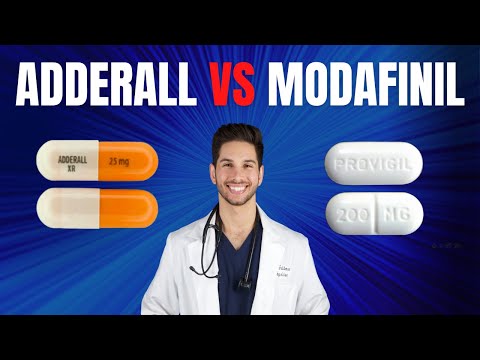
The mechanism of action is the biochemical story of how a drug achieves its therapeutic effect, a precise lock-and-key dance at the molecular level. This specific interaction triggers a cascade of events within the cell. A drug may bind to a receptor on a cell membrane, activating a signaling pathway that ultimately alters gene expression. Alternatively, the molecular target identification reveals how an enzyme’s active site can be blocked, halting a disease-driving reaction. For example, statins inhibit HMG-CoA reductase, the rate-limiting enzyme modafinil vs adderall in cholesterol synthesis. This action lowers lipid levels, much like a skilled worker jam a crucial gear in a production line, stopping the flow of unwanted products before they cause harm.
Common Side Effects
Common side effects of medications often resolve as the body adjusts, but they should still be monitored. Gastrointestinal issues like nausea, diarrhea, or constipation are frequent, particularly with antibiotics and pain relievers. Fatigue and dizziness can occur with blood pressure or allergy drugs. Skin reactions, including mild rashes or itching, may also appear. For lasting discomfort, take medication with food to ease stomach upset, stay hydrated, and rest if fatigued. Crucially, never stop or alter a prescription without consulting your doctor. If side effects persist beyond a few days, worsen, or interfere with daily life, seek professional advice to adjust your treatment plan safely. Always report severe reactions like difficulty breathing or swelling immediately. Expert guidance ensures you manage side effects while maintaining therapeutic benefits.
Cardiovascular Effects (Increased Heart Rate and Blood Pressure)
Common side effects from medications or treatments are usually temporary and mild. You might deal with issues like nausea, dizziness, or dry mouth, which often fade as your body adjusts. Most people find these symptoms manageable and not a reason to stop their prescribed routine. To keep things comfortable, try tracking common side effects with a simple log. If they persist, check in with your doctor for adjustments.
Appetite Suppression and Weight Loss
Common side effects are unintended reactions to medication that occur in a significant portion of users. These effects typically range from mild to moderate and often resolve without medical intervention. Managing treatment-related discomfort requires awareness of frequent symptoms. Typical examples include:
- Nausea and digestive upset
- Drowsiness or dizziness
- Headache or fatigue
- Dry mouth or skin rashes

Not all side effects require stopping medication, but any persistent or severe reaction should be reported to a healthcare provider.
These responses depend on dosage, individual sensitivity, and drug interactions. Most side effects diminish as the body adjusts, though some may necessitate a dosage change or alternative therapy. Always consult prescribing information for specific guidance.
Insomnia and Sleep Disturbances
Most medications carry the potential for common side effects, which are typically mild and resolve as your body adjusts. Understanding medication side effects helps patients manage expectations and adhere to treatment. For instance, antibiotics often cause gastrointestinal issues, while pain relievers may lead to drowsiness or nausea. Key points to monitor include:
- Digestive upset like nausea, diarrhea, or constipation from many oral drugs.
- Drowsiness or dizziness, especially with antihistamines or sedatives.
- Skin reactions such as rashes or photosensitivity from certain antibiotics or acne treatments.
- Headaches or altered taste, frequently reported with antiviral or cardiovascular medicines.
While annoying, these effects often vanish without intervention. Always report persistent or severe symptoms to your healthcare provider to rule out risks or adjust your regimen. Staying hydrated and timing doses with food can mitigate many common reactions.
Anxiety and Irritability
Common side effects often manifest as the body adjusts to a new medication. You might experience nausea, dizziness, or fatigue, while gastrointestinal disturbances like diarrhea or constipation are also frequent. Many people report headaches and dry mouth during the initial days of treatment.
Most common side effects are temporary and resolve as your system builds tolerance to the drug.
Symptoms such as mild rash or drowsiness can occur, but serious reactions are rare. The key is balancing relief with discomfort—monitoring how your body responds ensures you stay ahead of the curve. Always report persistent issues to a professional.
Risk and Precautions
Risk is the unpredictable shadow lurking behind every bold decision, a thrilling yet dangerous companion in business, adventure, and daily life. To navigate this uncertainty, effective risk management demands proactive precautions—identifying threats, analyzing their impact, and building contingency plans. Whether launching a startup or crossing a busy street, neglecting these safeguards can turn opportunity into catastrophe. Smart precautions include thorough research, insurance coverage, and safety protocols, which transform reckless gambles into calculated moves. The dynamic dance between risk and caution fuels innovation while preventing disaster, turning potential losses into lessons.
Q: What’s the single most crucial precaution against financial risk?
A: Diversification—spreading investments across assets to cushion against market volatility, ensuring one failure doesn’t destroy your entire portfolio.
Potential for Abuse and Dependence
Every business venture and personal decision carries inherent risk, but strategic action transforms danger into opportunity. Effective risk management begins with a thorough assessment of potential pitfalls, from financial volatility to operational failures. Practical precautions include diversifying investments, securing robust insurance policies, and enforcing strict safety protocols. One overlooked warning sign can cascade into a crisis if left unchecked. Key precautions to adopt:
- Regularly audit assets and processes for vulnerabilities
- Maintain an emergency contingency fund
- Verify all contracts and compliance requirements
Proactive teams also simulate worst-case scenarios to build resilience. By balancing caution with calculated boldness, you reduce downside exposure while capturing growth. Remember, the most dynamic leaders anticipate before they react.
Cardiovascular Risks (Arrhythmias, Heart Attack)
In the shadow of every grand ambition, risk skulks like an uninvited guest. Leo discovered this when he launched his handmade furniture business, ignoring the fraying knot on his workshop bandsaw. The blade snapped mid-cut, costing him a finger and a season’s orders. Workplace hazard mitigation became his new creed. He now lives by a simple mantra: identify the danger before it identifies you. His precautions are non-negotiable:
- daily machine inspections at dawn
- mandatory steel-toe boots and Kevlar gloves
- a fire extinguisher within arm’s reach always
Risk doesn’t vanish; it’s just tamed by routine. Leo’s workshop still hums with danger, but today, every knot is checked, every blade respected—because the story you survive is the one you prepare for.
Psychiatric Effects (Psychosis, Mania)
Every venture, from launching a startup to crossing a busy street, carries inherent strategic risk management as its core counterbalance. Without calculated precautions, ambition morphs into recklessness. The key is to identify threats early—financial shortfalls, physical hazards, data breaches—then deploy concrete safeguards. For a dynamic edge, consider this stance:
- Audit all potential pitfalls before diving in.
- Layering defenses (insurance, protocols, backups) reduces single points of failure.
- Adapt swiftly; static plans fail when variables shift.
True success isn’t about avoiding risk but navigating it with sharp, proactive barriers that turn uncertainty into controlled momentum.
Contraindications (Pre-Existing Heart Conditions, Glaucoma)
Risk refers to the potential for loss, injury, or adverse outcomes arising from uncertain events or actions. To mitigate these threats, precautions are essential, encompassing proactive measures like safety protocols, contingency planning, and regular audits. In high-stakes environments such as construction or healthcare, workplace hazard assessment identifies specific dangers—from chemical exposure to equipment failure—guiding the implementation of protective gear, training, and emergency drills.
- Use personal protective equipment (PPE) consistently.
- Conduct regular risk assessments and update procedures.
- Establish clear communication channels for incident reporting.
Effective precaution transforms unpredictable risk into manageable safety.
Ultimately, balancing risk acceptance with rigorous precautions ensures operational resilience and minimizes harm.
